
What Do Over 3,000 Bank Runs Teach Us About Banking Crises?
A look at the role of bank runs as markers of financial crises using a new database of more than 3,000 bank runs.
Central banks, inflation, jobs, growth and global economic policy.
A look at the role of bank runs as markers of financial crises using a new database of more than 3,000 bank runs.
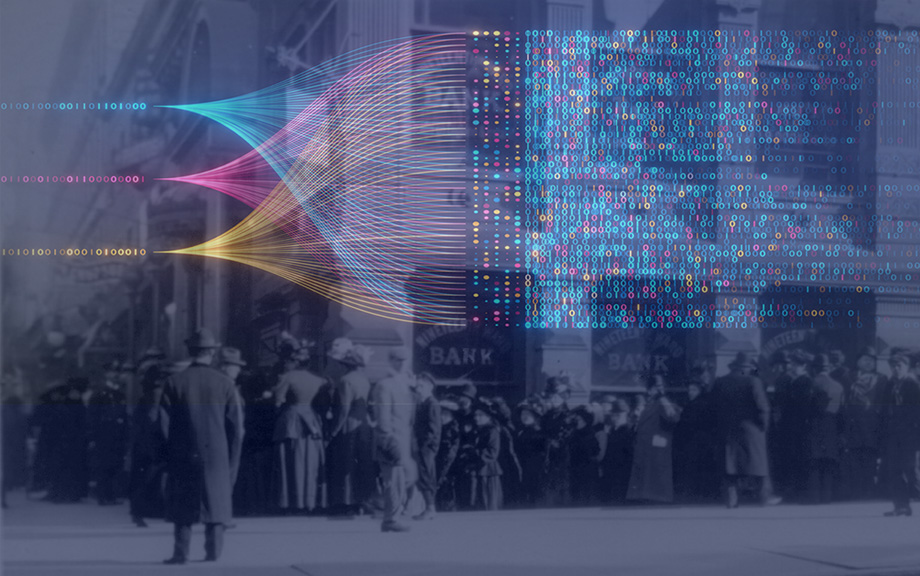
The authors create a comprehensive database of U.S. bank runs using large language models to extract information from millions of digitized newspapers.
A look at how and why the “overnight drift" - the large, persistent return to holding U.S. equity futures between 2:00 and 3:00 a.m. - has faded since 2021.
A look at how trading activity and liquidity evolve as securities age, using key results in the authors’ paper with transaction-level Treasury TRACE data.
A look at how emerging market economies fared through the U.S. monetary policy tightening cycle of 2022-23 relative to predictions of a model.
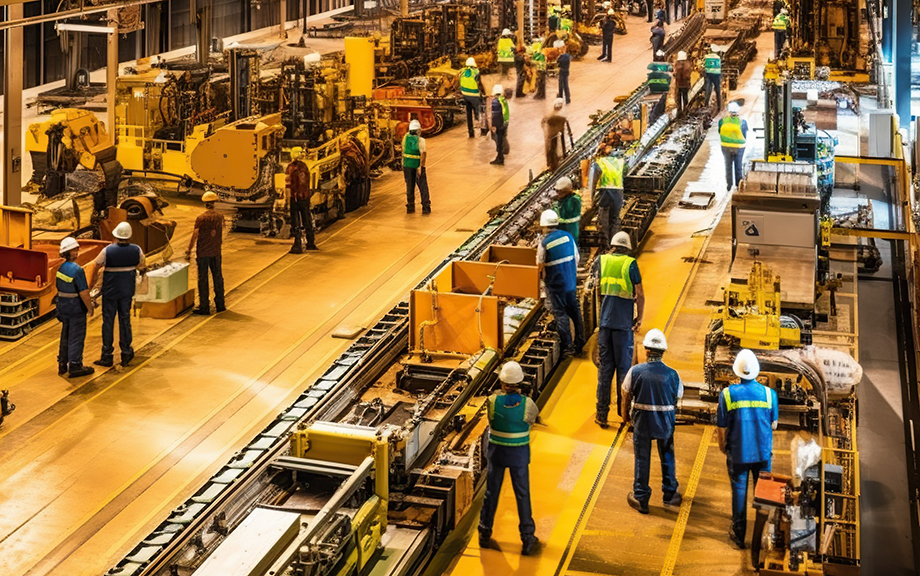
A look at the decline of the labor share of income that occurred post-COVID, comparing its dynamics to declines in earlier periods.

A look at how potential additional tariffs on Chinese goods in 2025 drove a price shock through digital assets known as synthetic stablecoins.

An update of the economic forecasts generated by the NY Fed’s dynamic stochastic general equilibrium (DSGE) model, including its change since March 2026.
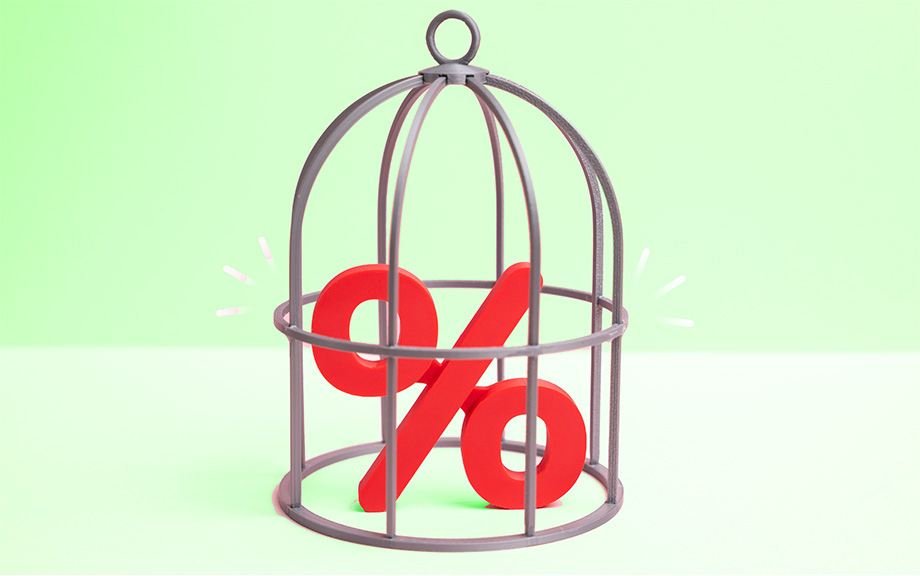
A look at how lenders reallocate credit after usury limits are implemented, using the example of recent interest rate caps in three U.S. states.

A look at how interest rate caps on alternative credit providers have played out for high-risk borrowers in several states that recently adopted them.

A look at the results of the 2025 Small Business Credit Survey, which finds declines in employment and revenue growth in the Second District.

A look at the rise in remote work since the pandemic, and how this trend has influenced the recent increase in youth unemployment among college graduates.