
The Regional Side of the Story: K‑Shaped Pattern in Region, Wider Gap in Gas Spending
A look at K-shaped spending patterns in the Second District using regional consumer spending indicators in the April 2026 Economic Heterogeneity Indicators.
Central banks, inflation, jobs, growth and global economic policy.
A look at K-shaped spending patterns in the Second District using regional consumer spending indicators in the April 2026 Economic Heterogeneity Indicators.

A look at the food insecurity and consumer pessimism facing large segments of the U.S. population using data from the Survey of Consumer Expectations.

The authors use their own measure of wage growth persistence, Trend Wage Inflation, to summarize wage growth behavior in the past and what may lie ahead.

A look at how the tension between AI's long-run promise and its short-run costs affects the outlooks for inflation, real activity, and financial stability.

The authors introduce the global credit factor, which creates a global credit cycle in bond risk premia and generates predictable co-movement in bond prices.

The net investment income surplus faded due to post-pandemic interest rate hikes and continued net sales of U.S. assets to foreign investors.

A look at AI’s impact on labor demand and whether early evidence of its effect on the labor market appears in firms’ job postings.

A look at federal student loan default rates and which borrowers have defaulted on their loans over the past two quarters, exploring credit implications.

The conflict in the Middle East has precipitated a global supply shock—the third in six years following the pandemic in 2020 and Russia’s invasion of Ukraine in 2022. The current shock raises the specter of spillovers to...

New analysis shows NBFI stress from bankruptcies like Tricolor directly impacts bank stock returns, with exposed banks seeing 1.2% lower returns.

A look at the recent surge in energy prices and how a K-shaped pattern emerged in gasoline consumption, with faster growth for high-income households.
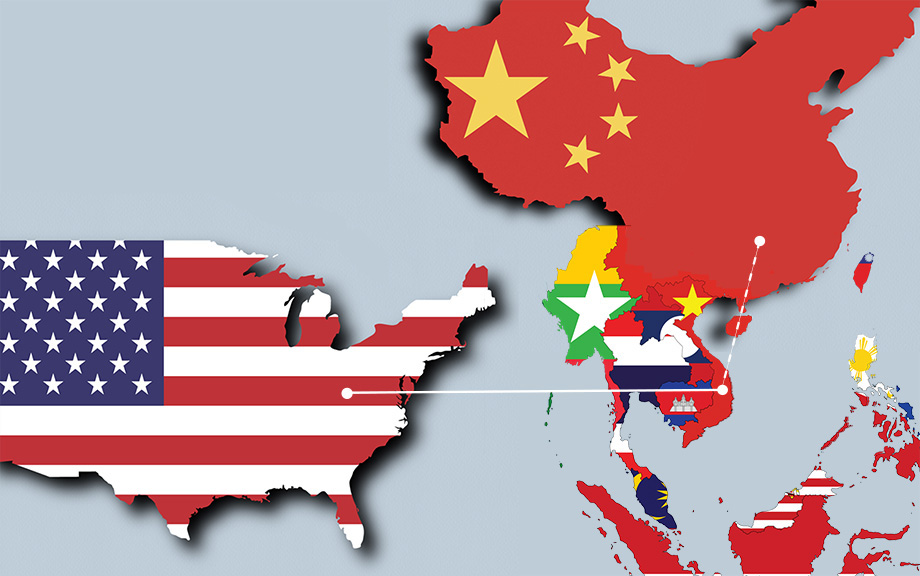
A look at how recent changes in U.S. trade policy has affected trade between the U.S., China, and countries in the Association of Southeast Asian Nations.